Polycarbonate (PC)
Description
Polycarbonate (PC) possesses a unique combination of optical transparency, hardness, strength, and toughness. The material is also characterized by excellent dielectric properties. It is an amorphous and transparent polymer.
Polycarbonates are primarily produced through polycondensation, involving the reaction of bisphenol A (BPA) with phosgene (COCl₂).
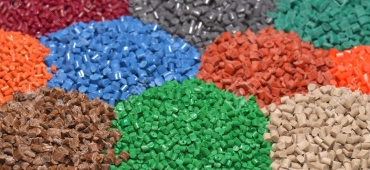
Polycarbonate is one of the most transparent polymers, while it can also be colored in various shades – from transparent tints to solid colors. This makes it one of the engineering polymers with excellent aesthetic qualities.
Key Characteristics
- Optical transparency
- High hardness
- High strength
- High toughness
- Excellent dielectric properties
- Heat resistance
- Flame-retardant types (FR types)
- With UV stabilization, weather resistance
- Scratch and weather resistance
Properties and Resistance
The molecular weight of PC chains can be controlled during the polymerization process to achieve different melt flow indices, such as MFI and MFR.
Polycarbonate can be produced with a wide range of properties, including flame retardancy, increased toughness, heat resistance, scratch and weather resistance, as well as optical properties. Grades meeting the stringent requirements of the pharmaceutical and food industries, as well as biocompatible grades, are available.
The UV stability of polycarbonate can be further enhanced by adding UV stabilizers. Other additives can achieve significant improvements in heat resistance and ESCR (Environmental Stress Cracking Resistance). Reinforcing the material with glass fibers leads to an increase in its strength.
Processing and Applications
Polycarbonate is suitable for extrusion, injection molding, and blow molding.
Typical applications of PC include:
- Automotive industry: LED headlights and protective glass
- Sheets and profiles: roofing, windows, and vandal-resistant applications
- Electrical and electronics: LED lighting, measuring equipment, safety and security components, sockets and plugs
- Home appliances: household appliances
- Safety equipment: eyewear and helmets
- Medicine: diagnostic equipment housings, inhalers, blood filters and separators, dialysis device components, syringe housings and barrels, and others
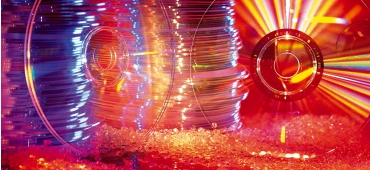
- Optical discs: CD-R, CD-ROM, and DVD